Fiji Fishing Isn't One Destination, It's a Dozen Different Fisheries Wearing One Marketing Umbrella
Why Fiji's fishing varies enormously by island and harbor, from sailfish passes to Namotu's wahoo jigging program.
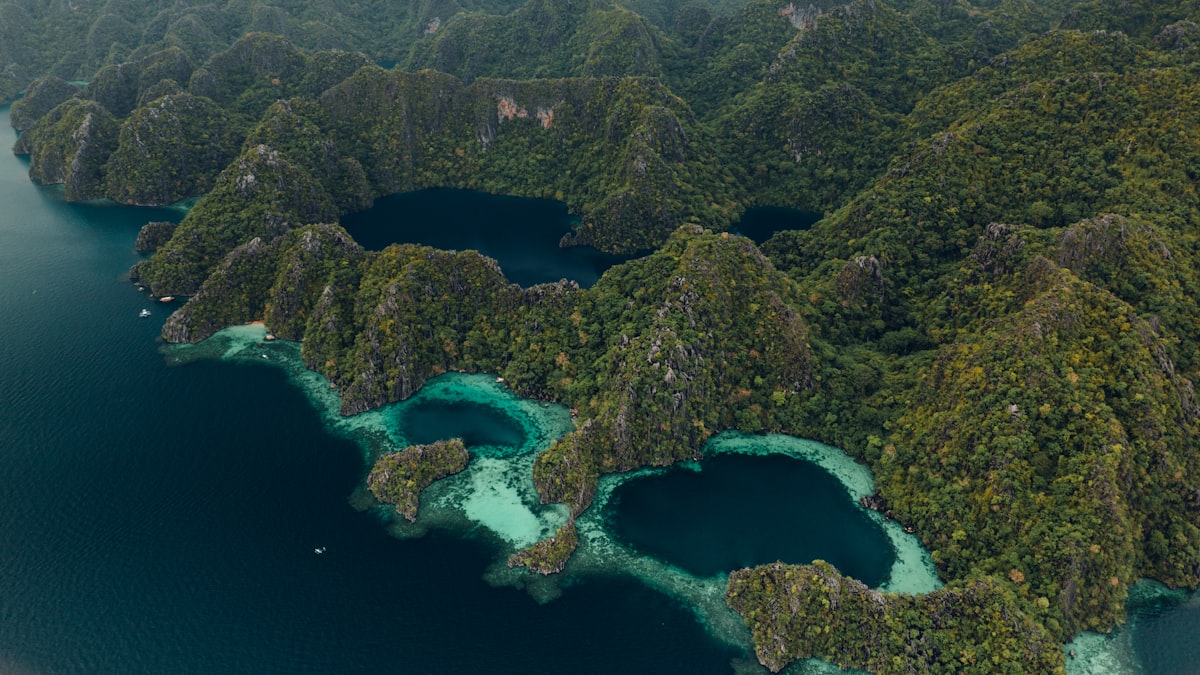
Book a “Fiji fishing tour” without checking which specific island and harbor it departs from, and you might end up with a completely different trip than the one that inspired the booking. Fiji’s scattered island geography means the fishery genuinely varies by region in ways a single country-level marketing pitch glosses over.
The reef passes and channel systems throughout Fiji hold excellent sailfish, mahi mahi, and yellowfin tuna fishing on the offshore side, with the passes between islands acting as natural funnels that concentrate baitfish and the predators following them. It’s similar in principle to channel fishing elsewhere in the Pacific, but Fiji’s specific reef geography creates distinct, learnable patterns that experienced local captains read well.
Namotu Island has built a genuine reputation around wahoo and dogtooth tuna jigging over structure — a different style of fishing from the trolling-focused program more commonly marketed for Fiji generally. The Cobalt itself, a 32-foot World Cat catamaran running twin 300hp outboards with live bait tanks and full electronics, isn’t restricted to Namotu’s own guests either — anglers staying at nearby resorts like Malolo can book the same boat and get picked up and dropped off from their own accommodation, which matters for anyone weighing whether Namotu-quality fishing requires a Namotu-specific booking. A trip report posted to the Bloodydecks forum by an angler who fished the boat out of Malolo Island Resort gives a sense of what a good session looks like: hooking a wahoo within the first 20 minutes, then landing a hundred-pound-plus yellowfin on jig tackle so demanding the poster wrote he “was hurting for the next week” afterward. But the same report ends on a more honest note — “no GTs or bluefin trevally this trip,” despite the effort, which is closer to how a lot of Namotu sessions actually go than the highlight-reel catches alone suggest. A different poster on the same thread, fishing the operation later that season, had it worse: a slow bite with “no surface activity,” the resort’s flagship Cobalt out of service so the group fished pangas instead, and only one decent yellowfin and two small ones to show for the trip. Same operator, same reputation, a genuinely bad week.
Inshore and flats fishing for bonefish and GT exists around several of Fiji’s outer islands, though it’s less developed and less consistently guided than dedicated flats destinations like the Seychelles or Christmas Island. Anglers prioritizing flats fishing specifically should research whether their chosen region has genuinely experienced flats guides rather than assuming general availability across the country.
Season runs broadly year-round given Fiji’s tropical position, though cyclone season (roughly November-April) introduces real weather risk and reduced consistency, making the drier months (May-October) the generally preferred window for anglers without flexible schedules.
Tackle needs vary by target as much as anywhere covered here: 30-50lb conventional trolling gear for the offshore sailfish and tuna program, heavier jigging setups (PE4-6 braid, 60-100lb class rods) for wahoo and dogtooth work, and lighter spinning tackle with appropriate leader for any flats-based bonefish or GT opportunities. Cost varies enormously by specific operation and resort tier — Fiji’s tourism market spans genuinely budget backpacker-adjacent operations to high-end private resort charters, so there’s no single representative price point the way there might be for a more uniform destination.
Where Fiji underperforms the broader tropical-paradise reputation that sells it: the fishing infrastructure, while genuinely solid in specific pockets like Namotu, isn’t uniformly distributed across the country the way general tourism marketing implies. Research the specific region and operator thoroughly rather than assuming “Fiji” alone guarantees a particular caliber of fishing experience — and build in enough trip days that one slow session, panga swap, or no-GT week doesn’t define the whole visit.