Permit on Fly: Why Your Cast Is Failing Before the Fish Even Sees the Fly
Wind reading, crab-pattern fly selection, and why permit refusals are normal, not proof of a bad presentation.
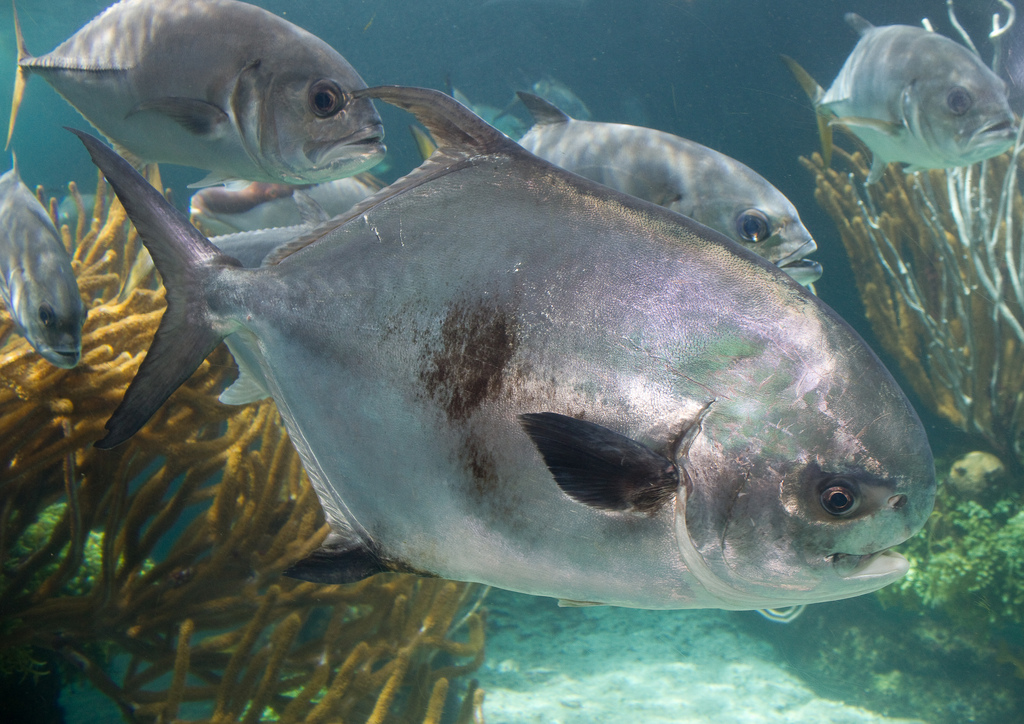
Most blown permit shots happen before the fly hits the water: a cast a fraction too loud, a shadow crossing the fish’s window at the wrong moment, a presentation angle that spooks instead of entices. Permit are unforgiving about all three, which is most of why they’ve earned their reputation as one of saltwater fly fishing’s hardest targets.
Wind reading matters more here than for almost any other flats species, and this is where anglers coming from bonefish or redfish get caught out. Permit hold and feed in conditions that demand a presentation angle relative to the wind far more precise than the more forgiving casting windows bonefish tolerate.
Fly selection runs on a different logic than the attractor-style flies that work for other species. Permit key on crab patterns, and matching how a real crab sinks and sits near the bottom matters more than color or flash. A fly that’s too flashy, sinks too fast, or moves unnaturally draws refusals from permit far more often than it would from a less selective species.
Fly Fisherman editor Ross Purnell wrote up time spent chasing permit around Ascension Bay, in Mexico’s Yucatan: “more than 250 square miles of sand and grass flats, broken by deeper cuts, channels, and blue holes” carved by the region’s limestone, all of it sitting inside the 1.3-million-acre Sian Ka’an Biosphere Reserve, a UNESCO World Heritage site that’s kept the flats largely undeveloped compared to more commercialized permit destinations. He logged 12 to 15 genuine casting opportunities at permit or feeding schools on a typical day there, a number serious enough to sound generous until the actual hit rate gets factored in. His conclusion afterward: “Mostly the permit just ignore your fly, and there’s nothing wrong with that — expect it.” That’s not a failure of technique. It’s the species.
Landing one, on the rare pass that ends in a hookup, is its own separate fight. Even a modest permit in the 5kg range is capable of stripping 50 to 100 meters of backing in a single run, and most fish encountered on the flats fall in the 15-25lb range, with the species capable of reaching 48 inches and close to 80lbs at the upper end. The IGFA all-tackle world record, 60lb, was landed at Islamorada in 2001. That combination, a fish that’s genuinely difficult to fool and then genuinely difficult to stop once hooked, is a large part of why permit carries the reputation it does among flats anglers rather than just being another species on the list.
Destination selection matters enormously, since quality and difficulty vary a lot by location. Ascension Bay’s reputation specifically rests on the sheer scale and variety of that flat and channel system, which lets guides work schooling permit rather than only single cruising fish, a meaningfully easier target since a school feeding aggressively is more likely to produce at least one committed fish per pass than a lone permit sizing up every detail of a presentation. Some destinations have built reputations specifically around this kind of more consistent shot volume than others, and a destination and guide with genuine permit-specific expertise beats one that treats permit as a bonus species alongside bonefish.
Go with a guide who’s genuinely experienced with permit specifically, not flats fishing broadly. Spotting permit at range (they can look similar to other flats species from a distance) and coaching the specific cast and presentation it takes is close to its own specialty within flats guiding, and worth prioritizing over general availability.
One thing worth pushing back on: a lot of permit content treats every refusal as proof the angler did something wrong. Sometimes a permit just wasn’t feeding that particular pass, regardless of a technically perfect presentation. Expect a real number of refusals even when doing everything right. That’s the nature of the fish, not a sign the cast needs fixing.