Best Braided Fishing Line: Strand Count Matters More Than the Marketing Suggests
Why 8-strand-plus braid construction and actual diameter, not rated strength alone, determine real casting performance.
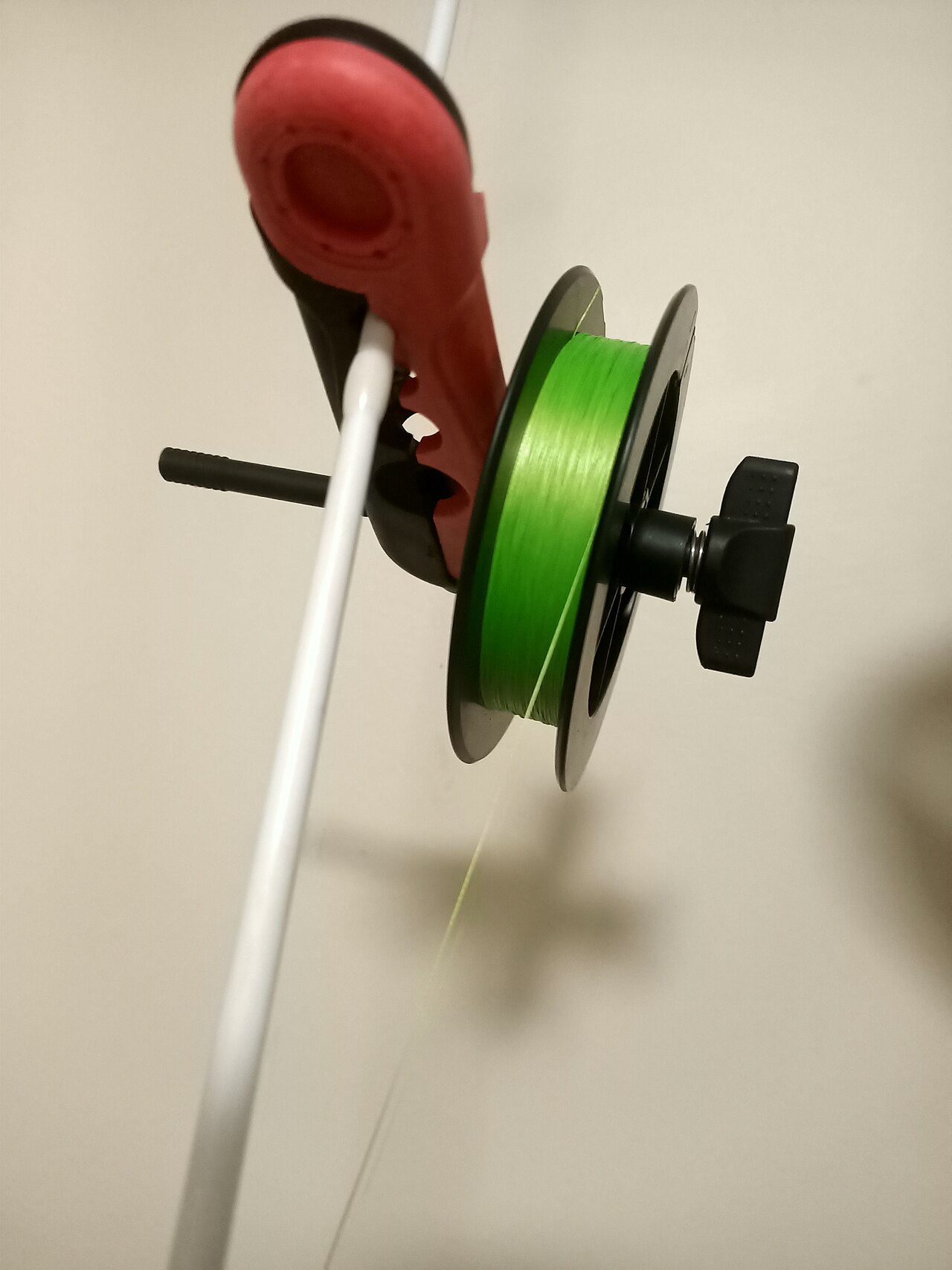
Braided line marketing leans hard on breaking strength and diameter numbers, but strand count, meaning how many individual fibers are woven into the braid, shapes real-world performance in ways a strength rating on the packaging doesn’t capture.
Eight-strand-and-up construction, compared to the older four-strand braids a lot of anglers grew up on, generally lays down rounder and casts smoother through the guides. A rounder profile means fewer wind knots and more distance at a given rated strength. That’s not marketing spin so much as physics: how a round line behaves coming off a spool under load is measurably different from a flatter one.
Some premium lines now build a center core strand wrapped in an outer weave, sold specifically as an elite casting construction. For anglers chasing distance over pure abrasion resistance it does deliver a real edge. Whether that edge is worth the price gap is a separate question.
Diameter-to-strength ratio is where brands actually differ more than the strand-count spec suggests. Two spools both rated 30lb test can vary meaningfully in true diameter, and the thinner one buys more capacity on the same reel and less water resistance mid-fight. Compare actual diameter, not just the number printed on the box.
None of that holds up if the batch itself is inconsistent, and that happens more than manufacturers like to admit. In a Hull Truth forum thread on best braid, one angler described buying two separate spools of Sufix 832 and getting “terrible inconsistency on both set ups,” with several break-offs, including a couple that let go while cinching down FG knots. He figured it was a bad batch and switched brands. That’s the risk with any braid, however reputable: a production run with an off diameter or weave quality won’t show up until you’re already trusting it on the water.
Color matters differently depending on technique. High-vis helps for tracking line movement and detecting subtle bites bottom fishing; translucent or neutral suits finesse work in clear shallow water, where a bright line spooks fish. Match color to technique, not to whatever looks best on the spool.
A 23-year fishing guide out of Galveston, posting in that same thread, settled on one brand for a plainer reason: it “doesn’t fray or come apart” and doesn’t tangle much, though he added that when it does tangle, “that is mostly because of my customers.” Fair. No braid survives bad line management on the boat.
The higher-strand, rounder braids aren’t free of trade-offs either. Another angler in that discussion, who says he runs a lot of different braids across different techniques, noted that the more supple 8-carrier lines that cast so well also like to wrap around the rod tip while jigging, badly enough that he’s had to fight the line half-hitched around the guide, calling it “a PIA getting it untied with anything lighter than 80.” Casting performance and jigging behavior pull in somewhat different directions, which most buying guides skip over entirely.
Fluorocarbon leader compatibility is worth a note since braid rarely runs bare in serious saltwater use. The FG knot or equivalent connecting the two needs practice no matter which brand you land on, and a sloppy connection undermines even the best line on the market.
Where I’d push back on the usual advice: plenty of guides treat major braid brands as interchangeable at a given price and strand count, telling buyers to grab whichever’s cheapest. The batch problem above argues otherwise. Quality control varies enough between brands, and sometimes between production runs of the same brand, that an established reputation is worth a modest premium over an unknown budget option.
Bottom line: prioritize strand count and actual measured diameter over the strength number alone, match color to your technique rather than what looks good on the spool, and budget real time to practice the leader connection regardless of which line you buy.