Best Drift Sock: Sizing to Boat Length Beats Buying the Biggest One Available
Why matching drift sock size to your boat length and that day's wind, not maximum size, controls drift speed properly.
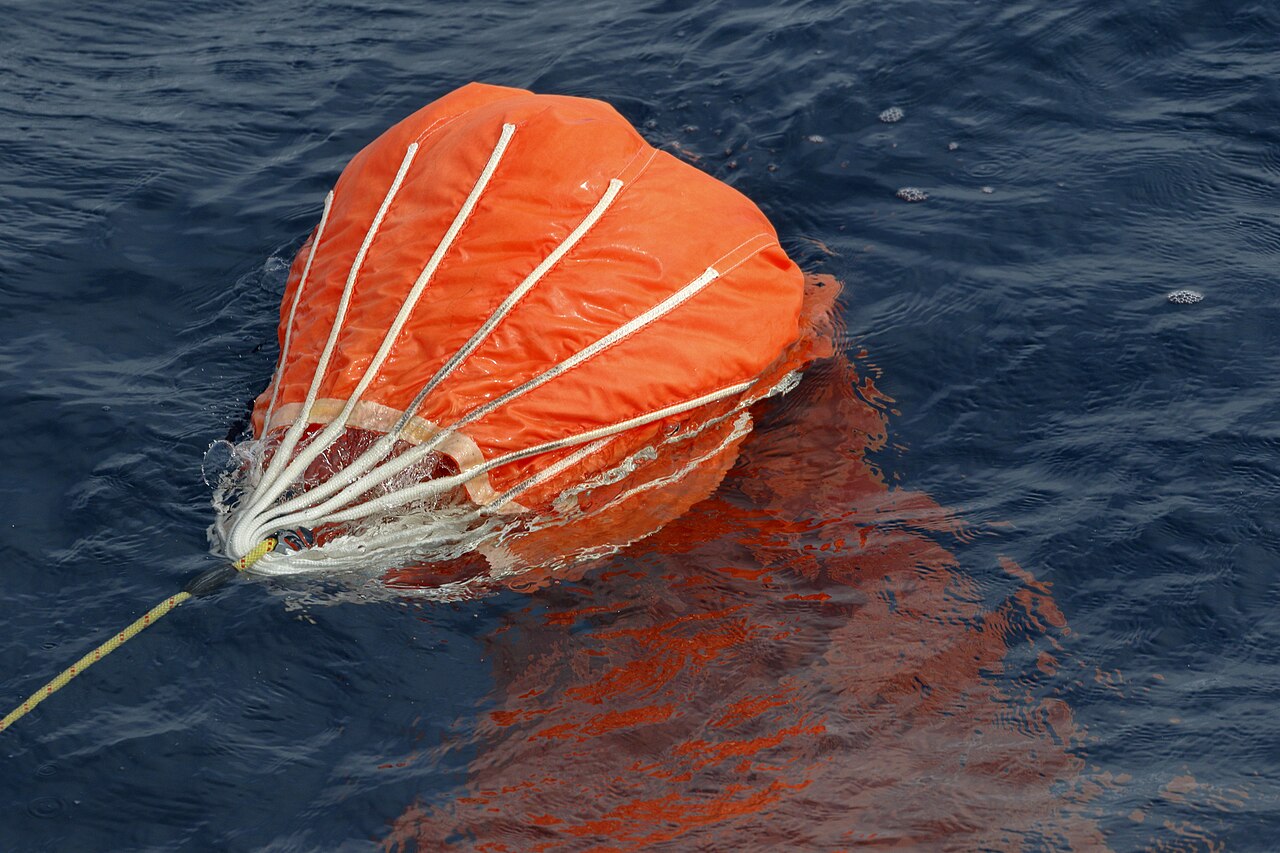
Drift sock shoppers tend to assume bigger is automatically more effective. In practice, a sock oversized for your boat creates so much drag that “controlled drift” turns into barely moving at all, while the right size slows you to a fishable pace without overcorrecting.
Size roughly to boat length as a starting point, not to whatever the biggest option on the shelf happens to be. A sock proportioned for a smaller boat drags usefully; the same sock on a much heavier boat might do almost nothing.
A poster on a Northeast fishing forum captured the sizing confusion well. Fishing a 25-foot C-Hawk with a tall pilothouse that “catches the wind like a kite,” he’d had a rough first season and asked what size sock he actually needed. The advice he got ran from a 9-foot sock, per one retailer’s sizing chart, down to a 4-foot sock being called “more than enough” for boats bigger than his. That’s a wide enough spread to show that boat-length charts are a starting point, not a formula to trust blindly. One reply in that same thread flagged a popular premium option as overkill entirely for the job: the Para-Tech is a sea anchor built for heaving-to in heavy weather, not a drift sock for slowing a drift while fishing. Different tool, same aisle.
Wind and current on a given day move the needle more than any fixed boat-length number. Anglers who fish genuinely variable conditions often end up owning two sizes, a smaller sock for light days and a larger one for when wind or current would otherwise push the drift past a fishable speed.
Deployment and retrieval design is where the real risk lives, and it’s easy to underrate from a product page. In that same forum thread, one longtime user reported that a 4-foot sock worked great on his 28-foot boat, then added, in the same post, that he’d lost half a finger and the tip of another retrieving it after “a freak set of wind, wave and wake from a speed boat” caught him at the wrong moment. Nobody else in the thread doubted his sizing advice. Several just started asking what retrieval system he was using, since a sock with a proper trip line to collapse it before hauling in cuts that kind of risk substantially. Buy the size that suits your boat, but don’t treat retrieval as an afterthought once you’re actually pulling the thing back over the gunwale in a chop.
Material durability compounds over a season of saltwater exposure and repeated deployment. A cheaper sock that tears after a handful of trips ends up costing more than a pricier one built to last.
Attachment and bridle design determine whether the sock deploys evenly or spins and pulls the boat sideways instead of holding a predictable drift.
Storage size matters more on a smaller boat with limited deck space. Multiple smaller socks, rather than one large one, also give more nuanced control over both drift speed and boat orientation for anglers doing technical drift work.
Where I’d push back on common buying advice: general boating guidance treats sock sizing as a lookup based on boat length alone. Real conditions on a given day matter enough that the chart should be a starting point you’re willing to override, not a rule, and how you retrieve the sock matters as much as how big it is.
Bottom line: use boat-length charts as a starting reference, not gospel, adjust up or down for the day’s actual wind and current, and take deployment and retrieval design as seriously as size. A well-designed trip line is a genuine safety feature, not just a convenience.