Barracuda: The Species Everyone Catches by Accident and Nobody Targets Properly
Why a fast, erratic retrieve and wire leader turn barracuda from bait-stealing nuisance into a genuine light-tackle target.
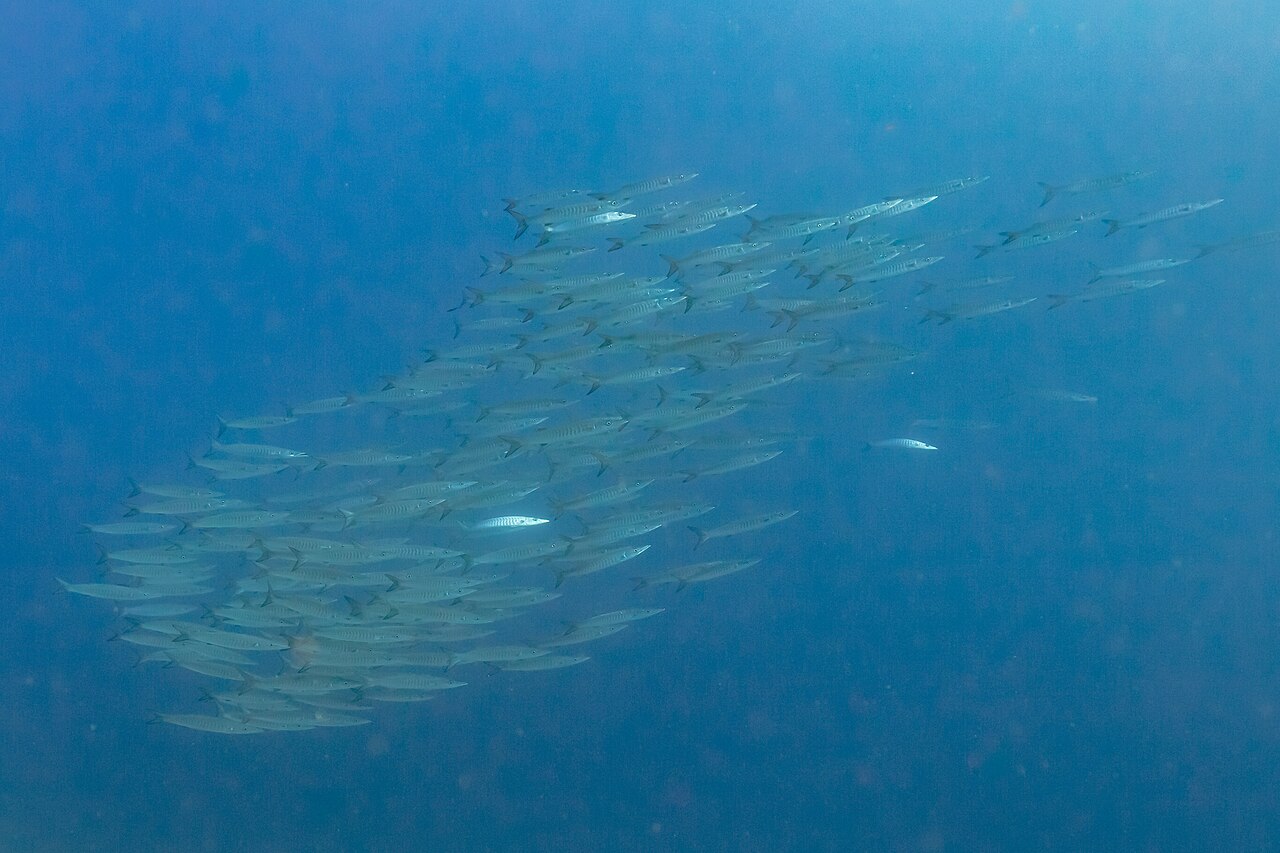
A thread on the fishing forum Microskiff, titled simply “Barracuda leaders?”, started with an angler planning a trip to fish Mexico’s flats on the fly, asking for “the best set up for length, strength and ease of use.” The replies didn’t agree with each other, which is itself useful information. Several pointed to the late Lefty Kreh’s classic advice: keep the wire section short, five inches at most, since barracuda supposedly aren’t leader-shy except right at the point of the bite. Others pushed back hard. One longtime member wrote flatly: “Most of the time, you don’t need wire and 60lb-80lb mono or FC bite tippet will get bit better than even a short section of wire.” Another posted a photo of a 20-inch cuda landed on no wire at all, with a caveat attached — if the fish hits the line itself on the strike, “it’s game over,” meaning the mono parts and the fish swims off with the fly.
For anglers on conventional spinning tackle rather than fly gear, wire leader remains the safer default, and this is where a lot of people get burned on their first real barracuda encounter. Barracuda teeth cut through standard fluorocarbon or monofilament with ease, similar to the wahoo and kingfish considerations covered elsewhere in this guide, and running standard leader without a wire trace reliably results in bite-offs rather than landed fish. The fly-fishing debate above is real, but it’s a trade-off some anglers accept in exchange for a more natural presentation — not evidence that wire is unnecessary on standard tackle.
Speed triggers barracuda strikes more reliably than almost any other factor, and this is the single biggest adjustment anglers need to make when actually targeting rather than incidentally catching this species. A fast, erratic retrieve — considerably faster than what most anglers default to for reef or structure fishing — mimics fleeing baitfish and draws a strike that a slow, steady retrieve usually won’t.
Casting to visibly cruising fish rewards a specific approach when water clarity allows sight-fishing: leading the cast well ahead of the fish’s direction of travel and working the lure back across its path at speed tends to draw more committed strikes than presenting a lure directly in front of a fish that may simply dart away.
Flies work surprisingly well given the right retrieve. Fly anglers should prioritize larger, flashy patterns worked with an aggressive, fast strip — one Microskiff poster described stripping “as fast as you can, do not stop until the fish is taking the line from you,” since barracuda will charge a fly hard enough to still be closing on the boat when they actually eat it.
Tackle can run lighter than the fish’s appearance suggests for smaller specimens, though larger barracuda (several feet long) test tackle with fast, sustained runs. 20-30lb spinning tackle with wire leader handles most encounters; step up for anglers targeting trophy-class fish specifically.
A lot of general saltwater content treats barracuda dismissively — a nuisance that steals bait meant for other targets, or a fish not worth eating in many regions given ciguatera risk in larger reef specimens. That risk deserves more than a passing mention: barracuda are the single most commonly cited species in ciguatera poisoning cases, up to half of large specimens in known high-risk reef areas can carry dangerous toxin levels, and a five-foot fish can carry 10 to 15 times more toxin than a two-foot fish from the same water, since the toxin accumulates over a long reef-bound lifetime as an apex predator. The CDC’s own guidance goes further than “be careful” — it recommends against eating barracuda at all, given that the toxin is heat-stable and survives cooking, freezing, or smoking, and there’s no way to tell a toxic fish from a safe one by looks, smell, or taste. Setting aside the legitimate eating caveat, barracuda provide a genuinely fast, visually engaging fight on appropriate light tackle. Dismissing them as bait-stealing nuisances misses a species that rewards being targeted on purpose, whether or not it ever ends up on a plate.