Blue Marlin Trolling: The Drop-Back Is Where Most Anglers Fail
Why the drop-back technique and circle hooks matter more for landing blue marlin than lure color or trolling spread size.
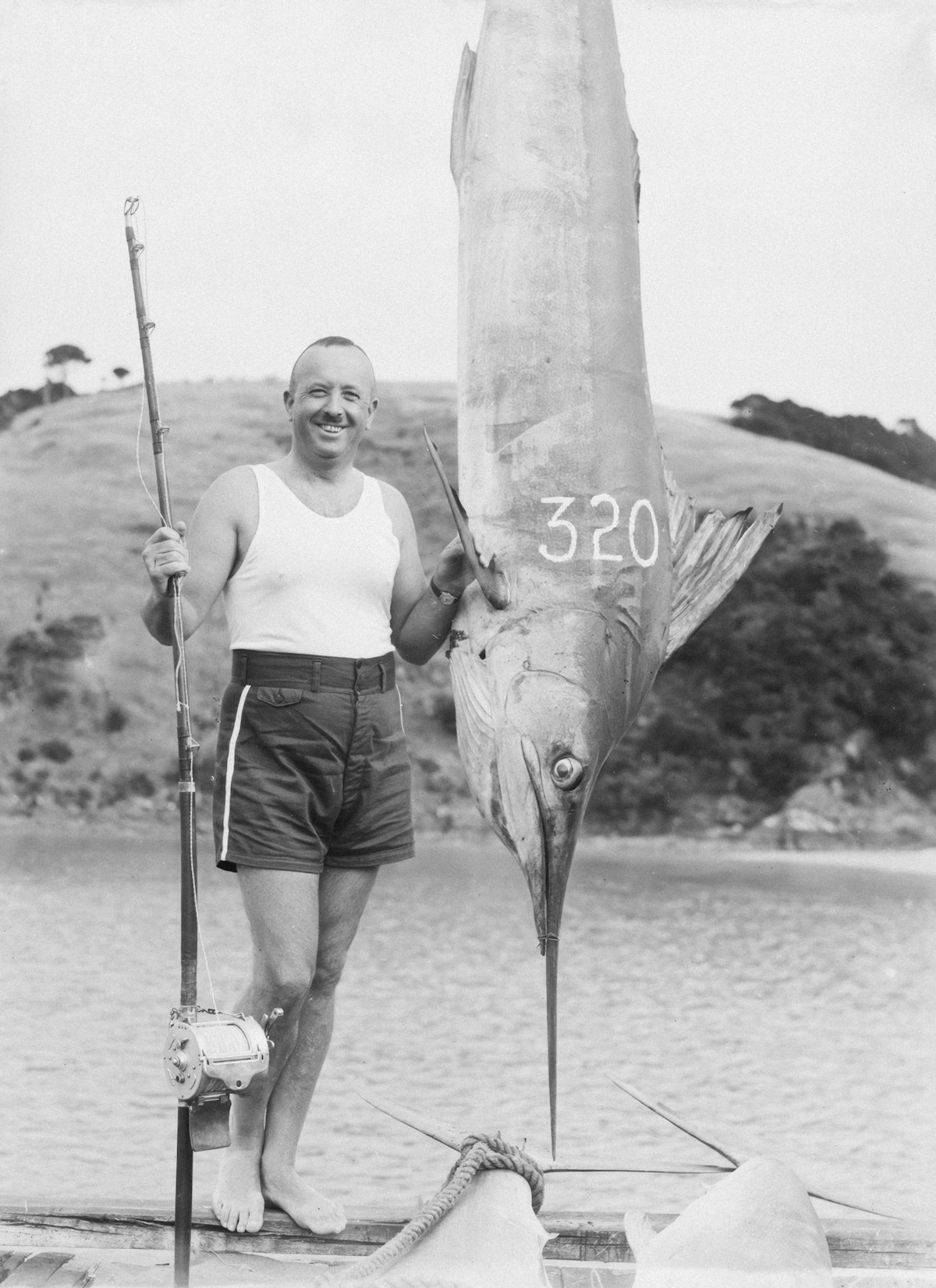
A blue marlin crashes a lure, the boat’s crew yells “hookup,” and the angler immediately starts reeling — which is exactly the wrong move, and it’s the single most common reason a solid strike turns into a lost fish before the fight even properly begins.
The drop-back is the technique that separates experienced marlin crews from first-timers, and it’s counterintuitive to anyone whose fishing background is species where you set the hook immediately on any strike. When a marlin strikes a trolled lure, the standard practice is to briefly free-spool or drop the rod tip, giving the fish a moment to fully commit and turn with the lure in its mouth, before engaging the reel and driving a firm hookset. Set too early, and you often just rip the lure away from a fish that hasn’t finished eating it.
Not every fishery agrees the drop-back even matters, though. A NOAA Fisheries briefing prepared for the 2017 Atlantic HMS Advisory Panel recorded a recurring complaint from Gulf of Mexico tournament operators and anglers, raised repeatedly at recreational roundtable meetings: their argument was that “blue marlin fishing techniques in the GOM don’t utilize a drop-back, thus circle hooks have no benefit.” NOAA’s own document treats it as one of two issues that “keep coming up” ten years after the circle-hook rule took effect, alongside complaints that circle hooks simply produce lower hookup rates than J-hooks. It’s a real regulatory sticking point, not a fringe opinion. The rule stands regardless, because the survival data behind it is stark — published research comparing hook types found blue marlin post-release mortality at roughly 6.7% on J-hooks versus effectively 0% on circle hooks, and white marlin mortality dropped by about 65% fleet-wide once circle hooks became standard.
Lure selection matters, but current and structure reading matters more. Large skirted marlin lures worked at trolling speeds around 7-9 knots form the backbone of most spreads, but experienced captains put more energy into reading temperature breaks, current lines, and underwater structure — seamounts, drop-offs — than obsessing over which lure color is “hot” that week. Blue marlin concentrate where baitfish concentrate, and finding that structure matters more than fine-tuning lure selection within a reasonable range.
Circle hooks have become close to mandatory practice among reputable operations, and for good reason beyond conservation ethics — they catch in the corner of a marlin’s mouth far more reliably during a proper drop-back than straight J-hooks, which increases both landing rates and survival rates on released fish. If a charter operator still insists on straight hooks for live bait presentations, that’s worth questioning directly, GOM tournament debates aside.
Tackle for genuine blue marlin work runs 80-130lb class conventional gear as the standard, though some destinations known for smaller average blue marlin size occasionally run lighter 50-80lb setups. Matching tackle to the destination’s typical fish size, rather than always defaulting to maximum gear, is worth discussing with a captain ahead of time — a grander-heavy fishery like the Azores’ seamount grounds calls for the heavier end of that range in a way a fishery running mostly 200-400lb fish doesn’t need.
A lot of marlin fishing content pushes running the biggest, most aggressive lure spread possible to maximize visual attraction. Captains who’ve fished multiple marlin grounds tend to describe the opposite pattern: a well-placed, correctly-spaced spread of four to six lures consistently outproducing an overcrowded spread of eight or more, which tends to tangle and actually reduces the clean visual presentation that triggers a genuine strike rather than a curious follow.
Fighting technique after hookup deserves its own note. Pumping the rod in a controlled rhythm — lift and reel down, rather than a continuous grinding retrieve — conserves stamina on a fight that can run well over an hour with a large blue marlin. Anglers who try to simply muscle a big fish in with constant cranking often tire out faster than the fish does.