Dogtooth Tuna: Vertical Jigging Beats Trolling, and Here's Why
Why structure-focused vertical jigging, not open-water trolling, is the modern, effective way to target dogtooth tuna.
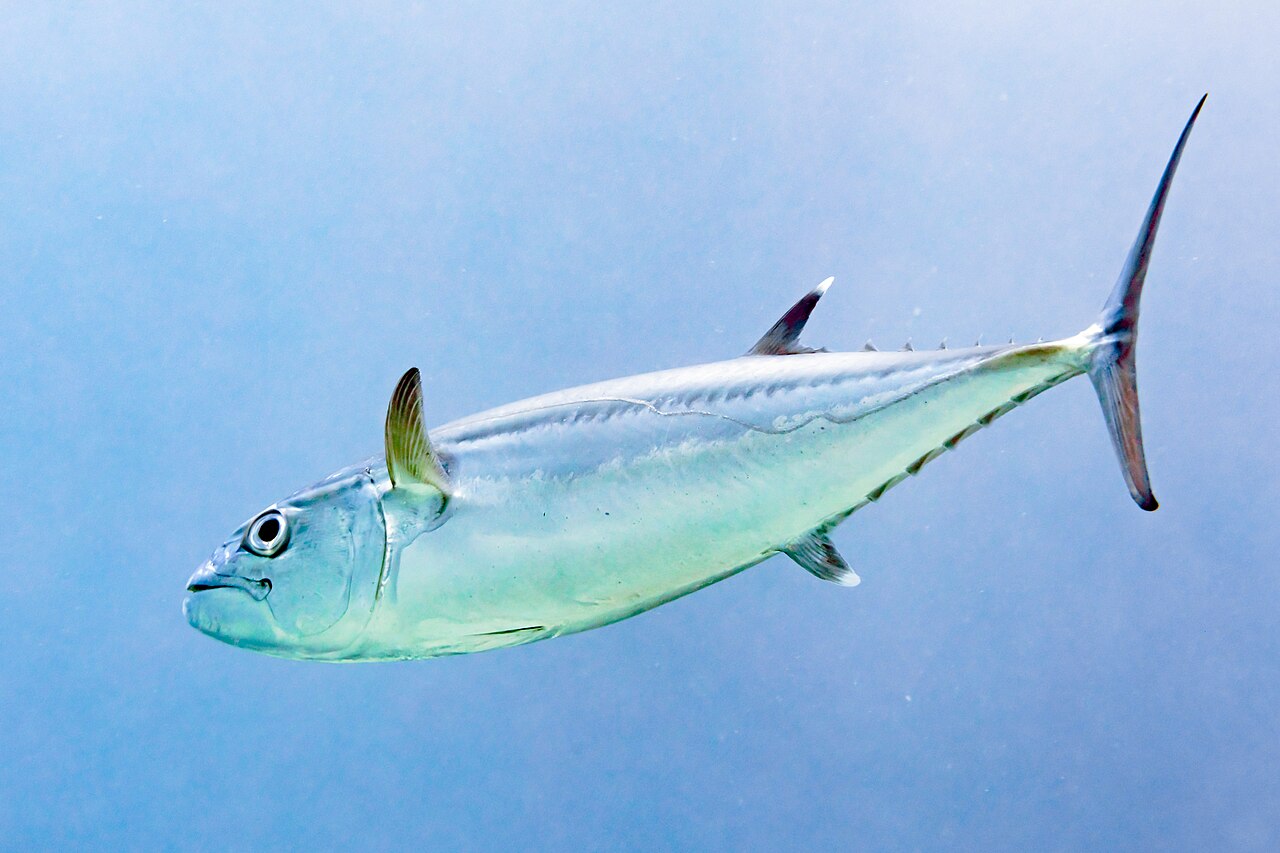
A lot of anglers new to dogtooth tuna default to trolling technique borrowed from more familiar tuna species, and consistently underperform anglers using vertical jigging instead. Dogtooth behave differently from open-water tuna, holding tighter to structure and depth in a way that rewards a fundamentally different approach.
Vertical jigging directly over known structure — pinnacles, reef edges, drop-offs where dogtooth hold — is the modern, most effective technique for this species, rather than trolling open water hoping to intercept roaming fish the way you might for yellowfin or albacore. Dogtooth’s structure-oriented behavior means precisely locating and working specific bottom features matters more than covering broad water.
That said, jigging isn’t automatic even on water known to hold fish. One angler’s account on the 360Tuna forum, describing a trip through Mozambique’s Quirimbas Archipelago and the St Lazarus Banks, put it plainly: the banks were “full up with Doggies” but produced no jig strikes at all that day — every fish came on live bait and the downrigger instead. The same angler had a completely different experience jigging in the Seychelles, where the fish “were not fussy” and hit everything from long 400g jigs down to short 200g ones; he worked through his entire jig roll, twenty to thirty jigs of different colors, lengths and weights, some of it “by choice or by force from having been reefed or the leader parting.” Structure, current, and the fish’s mood on a given day can make jigging the wrong tool even where the textbook says it should be the right one.
Jig weight and retrieve speed both need to scale to genuine depth. Productive dogtooth structure often sits considerably deeper than water holding many other jigged species, and heavier jigs paired with a retrieve cadence adjusted for that depth outproduce the lighter tackle and faster cadence suited to shallower jigging.
The strike and initial run test tackle immediately. Dogtooth hit jigs hard and dive for structure right away, similar to amberjack or grouper — the first several seconds after hookup determine success or failure based on whether the angler applies enough immediate pressure to keep the fish from reaching cover. The species’ upper size range explains why that first-seconds pressure matters so much: the IGFA all-tackle world record stands at 107.5kg, roughly 237lbs, caught off Tanzania in 2015, and a fish anywhere near that class treats reef structure as home water it knows better than the boat above it does.
Specialized jigging rods, purpose-built with the right action and lifting power, genuinely outperform generic heavy tackle repurposed from other fishing styles. Japanese-designed jigging rods in particular, given the technique’s roots and refinement in that fishing culture, are commonly recommended by guides who fish dogtooth regularly. Reels need substantial line capacity and a smooth, reliable drag, since fights with larger specimens can run long as the fish repeatedly tries to dive back toward structure even after initial pressure is applied.
Destination and season affect availability considerably. Dogtooth show up as a genuine target across parts of the Indo-Pacific, including as a secondary target during GT-focused trips to places like the Seychelles, where guides switch to jigging during slower topwater periods.
Most anglers still treat dogtooth as a bonus catch while primarily jigging for other reef species. Given how technically demanding and physically rewarding a dedicated session can be with the right tackle, that undersells the fish — anglers willing to invest in dogtooth-specific gear and technique tend to find it the more satisfying target, not the afterthought.