Mahi Mahi Fishing: Why the First Fish You Catch Matters More Than You Think
Why leaving a hooked mahi in the water converts a single strike into a multi-fish stop around weed lines and debris.
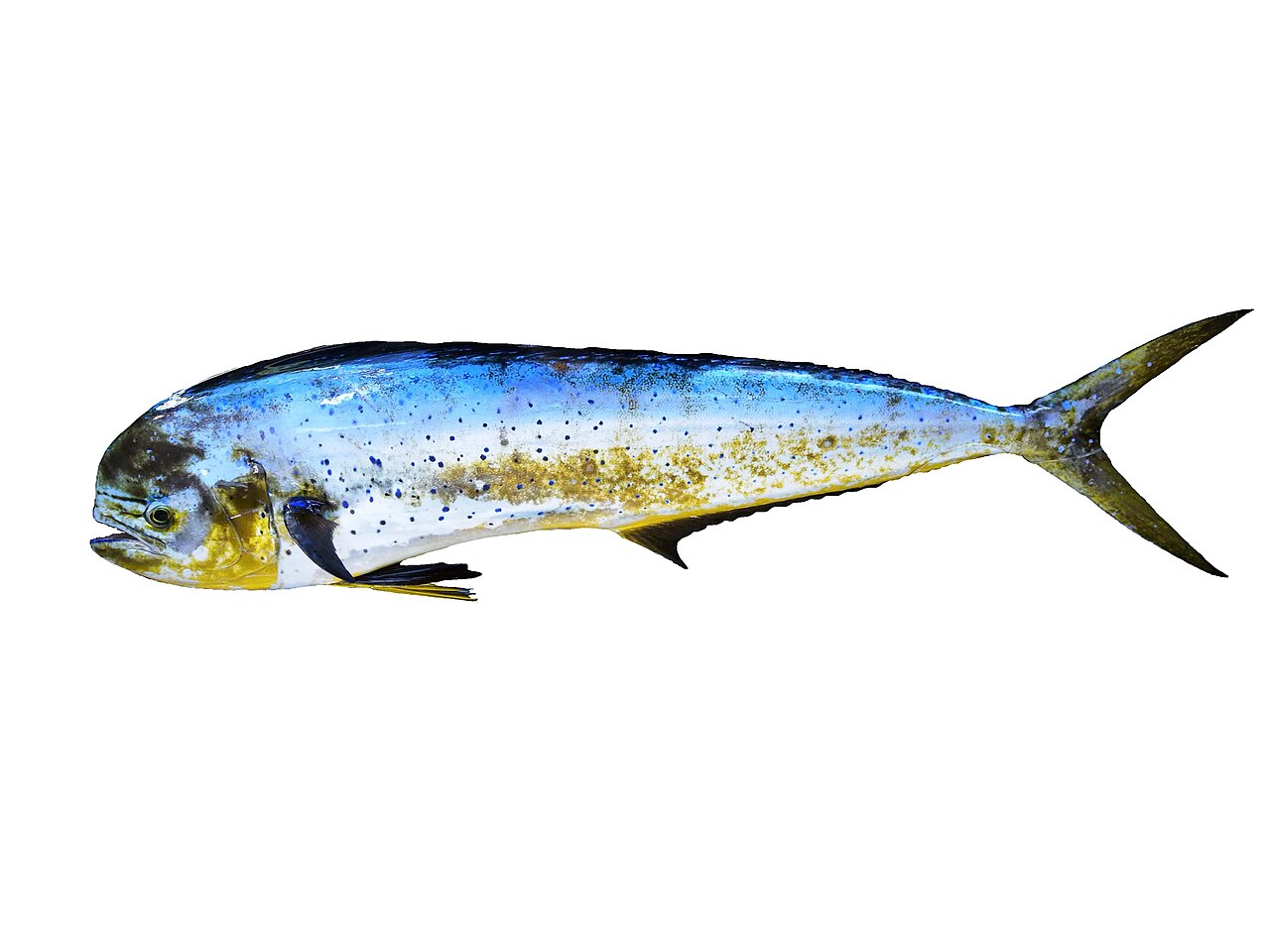
Hook a mahi near a weed line and horse it straight to the boat, and the rest of the school often disappears with it. The fix sounds almost too simple: leave that first fish in the water.
Anglers on The Hull Truth’s sportfishing forum come back to this point whenever mahi comes up. A hooked fish left swimming boat-side, rather than reeled straight in, tends to hold the rest of the school in place. The commotion and the presence of a fighting, distressed fish keeps its schoolmates interested and close, buying everyone else on board time to get lines in the water before the group scatters. It’s standard practice among captains who fish weed lines for a living, and it turns a single strike into what boats commonly call a “bailer” stop. Keeping a bucket of chum or cut bait chunks on hand for exactly this moment reinforces the same effect: tossing a handful into the water alongside the hooked, still-swimming fish gives the school an additional reason to stay close rather than following its instinct to bolt once one of its own is clearly in distress.
Structure association matters more than almost anything else about location. Mahi hold near floating debris, weed lines, current breaks, and temperature transitions far more consistently than they roam open water. One FishTalk Magazine writeup on “bailing” tactics put this more vividly than most: the author’s best find working weed lines was, in their own words, “a full-sized upright refrigerator, which supported an entire ecosystem including mahi upwards of 30 pounds,” drifting well offshore. A floating log or a scrap of sargassum can hold fish when the water around it holds nothing. Idling up to work any floating object is worth the time cost that trolling blindly past it isn’t. When a weed line breaks into scattered patches of uneven size, the single largest patch is usually the better bet over several smaller ones nearby, since mahi holding under floating structure tend to cluster wherever the most cover is concentrated rather than spreading evenly across every scrap of weed in the area.
Lure and bait choice matters less than keeping the presentation tight to that structure. Small trolled lures, skipping ballyhoo, and cast lures all produce, but only when they’re worked right along the edge of the weed line or debris patch rather than at the standard distance offset that works fine for open-water tuna trolling.
Tackle can run lighter than most anglers assume for a fish that reaches 40-50lbs. Mahi don’t fight with a tuna’s sustained power or the deep-diving runs of most other pelagics, so 20-30lb class spinning or conventional gear handles the average fish without strain, and lighter tackle actually makes for a livelier fight given how acrobatic mahi are on the surface.
Part of what makes a 40lb-plus bull genuinely impressive is how fast it got there. Mahi are among the fastest-growing fish in the ocean, capable of reaching over four feet in length within their first year alone, and captive specimens have packed on close to 50lbs in under 300 days under ideal conditions. That growth rate comes at a cost — most mahi don’t live past three or four years, sexually mature within months of hatching, and pack an entire life cycle into a fraction of the time most gamefish take to reach comparable size. The IGFA all-tackle world record, 87lb, was caught off Costa Rica back in 1976 and has stood since; a fish that size, given the species’ compressed lifespan, was likely only a couple of years old when it was landed.
One thing worth pushing back on: a lot of general advice treats mahi as filler between “real” targets like marlin or tuna. A genuinely large bull (the males, recognizable by a blunt, squared-off forehead) pushing past 40lbs fights harder and eats better than plenty of more heavily marketed gamefish. Treating a mahi stop as a consolation prize undersells one of the more reliably enjoyable species to target on purpose.
Color does seem to matter more here than for some other trolled species. Bright, high-contrast combinations (blue, green, yellow) tend to draw more attention in the clear, sunlit water where mahi hold near surface structure, though which combination works best shifts with light and water clarity on any given day.