Baja California by Truck: The Fishing Road Trip Nobody Plans Properly
A DIY kayak and surf-fishing road trip down Baja's East Cape, with the truck, route, and tackle choices that actually matter.
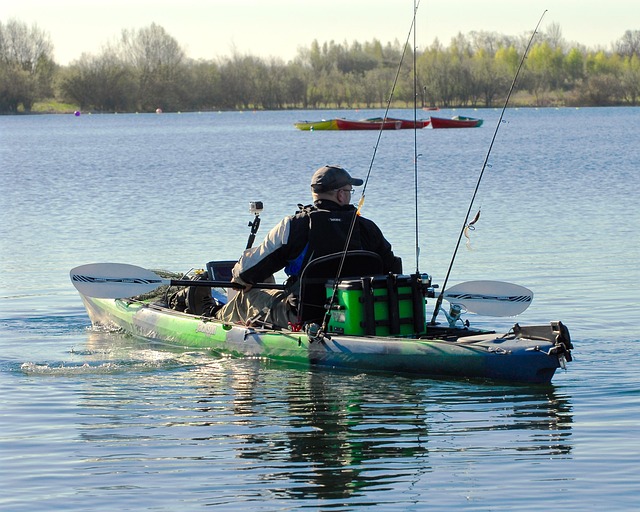
The pavement runs out well before the fishing gets good. That’s the first thing to understand about a Baja California road trip aimed at DIY saltwater fishing rather than a resort-based charter out of Cabo. The best kayak and shore access points along the East Cape and around Bahía de los Ángeles require a truck that can handle washboard dirt roads for 20-40 minutes past the last gas station.
Most people who fly into Cabo San Lucas never see this version of Baja. They book a charter, fish for tuna and marlin out of the marina, and go home. The road-trip approach — driving down from the US border, camping along the coast, launching a kayak or SUP off the beach — targets a different, cheaper set of fish: roosterfish, grouper, triggerfish, and corvina from shore or a small paddle craft, without ever chartering a boat.
Route logic matters more than most trip reports admit. The corridor between La Paz and Los Barriles on the East Cape gives calmer Sea of Cortez water most mornings, which is what you want for kayak launches. The Pacific side near Todos Santos gets rougher surf that’s harder to launch small craft through safely. Bias a kayak-centered trip toward the Cortez side; bias a surf-casting trip toward the Pacific side, where structure access is better.
What actually decides a good day here is less about picking a target species and more about staying loose on the water. One longtime East Cape visitor, answering a first-timer’s question on the Bloodydecks forum, put it this way: the captains “are checking on the radio with one another about what they are seeing,” and the smart move is to ask “what’s biting the best right now” rather than fixate on one fish. “Sometimes the pargo are going crazy, and sometimes the roosters are herding the sardinas along the beach, and sometimes there is a big dead whale offshore that is holding a bunch of dorado.” A DIY angler without a captain’s radio network doesn’t get that intel handed to them, which is exactly why watching bait and birds each morning before picking a spot matters more here than it would on a guided boat.
Gear that actually survives this trip: a sit-on-top kayak, not a sit-inside (sand and salt get into everything with a sit-inside, and launches through surf are routine), a milk crate or rod holder rigged for 2-3 rods since baitfish availability changes species targeting hour to hour, and 20-30lb spinning tackle with 40lb fluoro leader for anything working structure. Bring more leader than feels necessary. Triggerfish and structure-oriented grouper fray leader against rock in a way open-water fish don’t.
Corvina fishing from shore, particularly around estuary mouths at dawn, is the most underrated part of this trip and rarely makes the offshore-focused guides. Live shrimp or small crustacean imitations worked slowly along drop-offs near the mouth produce consistently before the wind picks up around 10 AM most days.
Cost reality: gas, a truck rental with real ground clearance (don’t attempt this in a sedan: several access roads will simply end the trip), camping fees or basic beach-adjacent lodging, and food run somewhere around $80-120 per day for a solo traveler. That’s dramatically less than the $250+ per day a charter-based Cabo trip runs once lodging and meals stack on top of boat costs.
Where this approach genuinely fails: a shot at billfish or big tuna needs a boat, full stop. No kayak or shore setup reaches that water reliably. And the DIY nature means bad weather days are just lost days. No captain reroutes you to a sheltered spot. Check wind forecasts obsessively. A 15-knot onshore blow turns a fishable morning into a scrubbed one with no refund and no alternative plan.