Great Barrier Reef GT Fishing: The Liveaboard Math Nobody Explains
How to judge a Great Barrier Reef liveaboard by actual fishing hours, not day count, and where the biggest GT really hold.
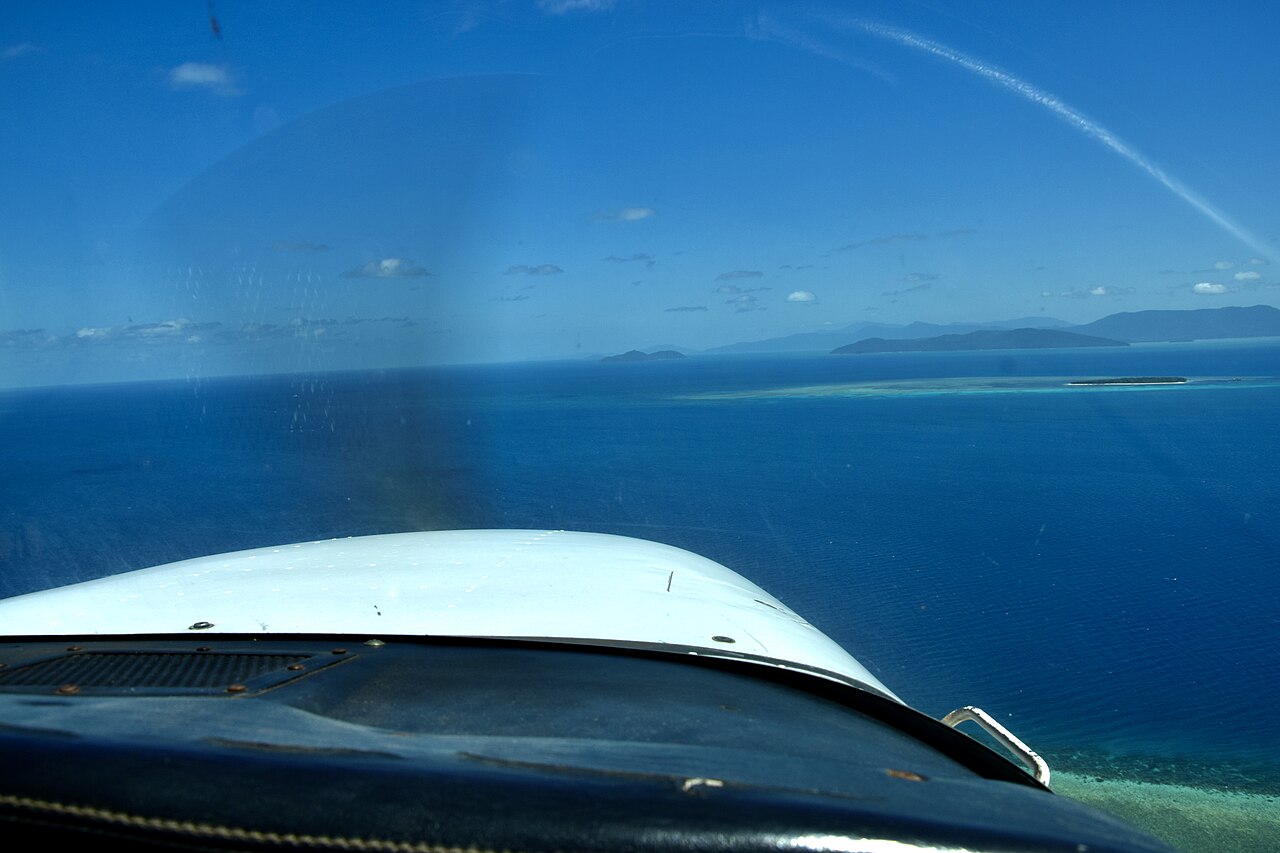
A five-day liveaboard out of Cairns or Lizard Island targeting GT and other reef predators runs $3,000-5,000 per angler. The number that actually determines whether that’s worth it isn’t the price tag — it’s how many casting hours per day the itinerary delivers versus how many hours get eaten by transit between reef systems.
The Great Barrier Reef gets sold on the strength of its GT fishing reputation, which is deserved. This is genuinely some of the best popper and jig fishing for trevally species on the planet, with fish regularly pushing 60-80lbs+ on the outer reef systems. What separates a good trip from a mediocre one is boat-day structure, and that’s almost never broken down clearly in marketing material. Conquest Charters, one operator running trips out to Flinders and Holmes reefs roughly 140 nautical miles offshore, is unusually direct about this on its own site: “Travel is outside fishing time and the trip is 5 full days fishing.” That’s the exact distinction to ask about before booking anywhere else — a “5-day trip” that’s really 3.5 days of fishing time isn’t the deal it looks like on paper.
Technique centers on casting poppers and stickbaits at reef edges and bommies where GT ambush baitfish pushed by current, plus jigging deeper structure for dogtooth tuna and other trevally when the topwater bite slows midday. On Conquest Charters’ own trips, anglers work the reef edge from a smaller tender vessel launched off the main liveaboard rather than fishing straight from the mothership, which lets the actual fishing boat get in tight to structure the bigger vessel can’t safely approach. Tackle runs heavy — 80-130lb class popping outfits are standard, with PE6-8 braid and 100-150lb fluorocarbon leader given the abrasion risk from coral structure. One operator’s own trip notes describe hooking these fish in terms that read more like a hazard warning than marketing copy, calling big GT “car doors with fins” and noting that “a spare change of underwear may be required on occasion” once one actually eats a topwater lure at close range.
The reef’s outer edge, where deep water meets the drop-off, consistently outproduces inner-reef structure for genuinely large GT, according to guides who run both zones — inner reef flats hold fish, but the size class skews smaller than what shows up hunting the current lines along the outer drop-off. If a trip itinerary spends most days on inner-reef flats rather than pushing to the outer edge, that’s worth asking about directly.
Season runs roughly September through May, with the cyclone risk window — essentially the Southern Hemisphere summer, January-March — adding weather uncertainty that can scrub fishing days entirely on short notice. Trip insurance covering weather cancellation isn’t optional for a booking this expensive, and several operators require proof of it before final payment.
Where this destination underperforms expectations: crowding. The GBR’s reputation means popular reef systems get real fishing pressure from multiple liveaboards working similar zones, and fish in heavily-worked areas grow noticeably more lure-shy over a season than in less-visited fisheries like parts of the Coral Triangle. A guide who knows which specific reef systems haven’t seen a boat in two weeks is worth more here than almost anywhere else in GT fishing, and that knowledge doesn’t show up in any brochure. It’s the actual product you’re paying for.