Ireland's Sea Fishing Suffers From a Freshwater Reputation Problem
Why Ireland's west coast holds genuinely good pollock, ray, and conger fishing overshadowed by its salmon tourism image.
Ireland’s international fishing reputation runs almost entirely through its rivers and loughs. Salmon and trout fishing built the country’s angling tourism industry, and that history casts a long shadow over a genuinely productive sea fishing scene along both the west and south coasts that most visiting anglers never consider.
Nobody needs convincing that Irish conger fishing can produce a real fish — Inland Fisheries Ireland’s own angling site published a report this past summer from a 16-year-old Latvian tourist named Markuss who landed one off a pier in West Cork on half a mackerel and a 10/0 hook. The eel, he wrote, was “longer than me” (he’s 175cm) and estimated at over 40lbs; it was released shortly after. That’s not even close to the Irish record, which the specimen-fish record books list as 72lb, taken in June 1914 by J. Green at Valentia — a fish that’s now been standing for well over a century.
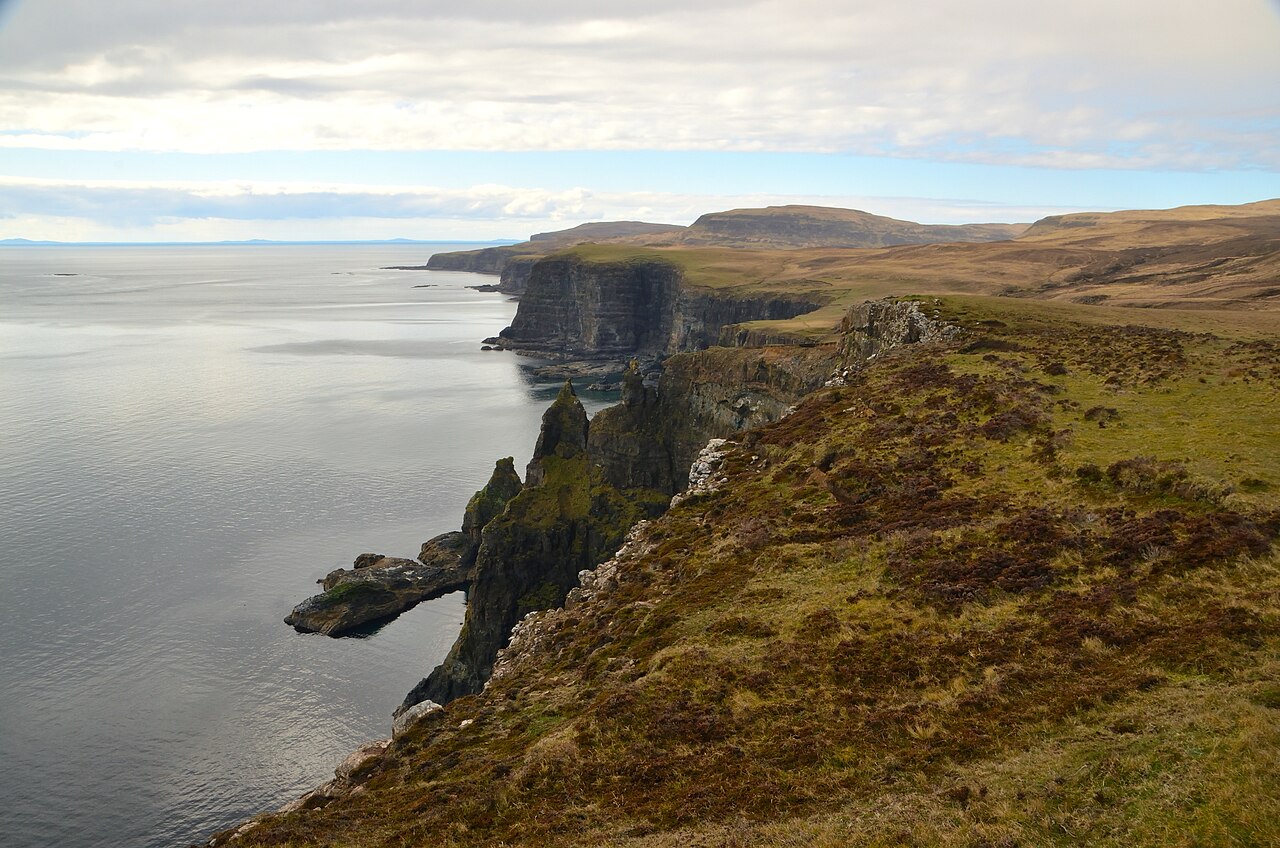
The west coast, particularly around County Clare and County Mayo, offers strong shore and boat fishing for species including pollock, mackerel, and various ray species. The structure-rich, rugged Atlantic coastline provides the kind of varied bottom that supports a genuinely diverse mixed-species fishery rather than a single headline target. Boat-based reef and wreck fishing off the south and west coasts produces good numbers of cod, ling, and conger eel among bottom species, alongside pelagic opportunities for mackerel and occasional tuna encounters further offshore during the warmer months, as bluefin tuna have increasingly been documented feeding closer to Irish waters in recent years.
Shore fishing deserves separate attention from boat-based options. Ireland’s extensive rocky coastline provides genuinely excellent access for shore anglers targeting species like pollock and wrasse from rock marks that require no boat at all — making this among the more accessible entry points into serious sea fishing covered in this guide, similar in spirit to Outer Banks surf fishing but with a distinctly different, rockier structure and species mix. Markuss caught his conger from exactly this kind of access point: a public pier, no boat, no guide, just bait and patience.
Season runs broadly from spring through autumn for the widest range of species and calmest conditions, though dedicated cod and ling anglers often target the colder months specifically, since these species tend to be more active and accessible in cooler water — running counter to the general assumption that sea fishing everywhere peaks in summer. The bluefin tuna showing up closer to Irish waters is a genuinely recent development rather than an established fishery, tied to warming water and shifting baitfish patterns pulling the species further north than historical records show, which is exactly why it still gets treated as an occasional encounter rather than a dedicated target the way it would in a longer-established tuna fishery.
Tackle needs vary considerably by target and location. Lighter spinning gear suits shore-based pollock and wrasse fishing over rock structure, while boat-based deep-water work for cod, ling, and conger calls for heavier bottom-fishing setups capable of handling both depth and the raw pulling power of a large conger eel — which, as Markuss found out, fights considerably harder pound-for-pound than most anglers expect from an eel-shaped fish.
Cost for guided boat trips runs moderate, generally comparable to other Northern European sea fishing destinations like parts of the UK, while shore fishing costs essentially nothing beyond basic tackle and access to a fishing mark.
Where Ireland underperforms as an international sea-fishing destination: infrastructure specifically built around foreign sea-angling tourists is thin outside a handful of established charter operations. Much of what makes Irish sea fishing genuinely good — specific rock marks, timing around local conditions — lives in local knowledge that’s harder for a first-time visitor to access without a dedicated local guide or considerable independent research.